Your campaign may have strong creative, clear messaging, and a well-defined audience.
But what happens when shoppers finally see your product in a store?
A weak display, poor placement, confusing setup, or inconsistent presentation can reduce the impact of strong marketing.
This is where visual merchandising matters.
Your retail display should carry the same message, branding, and product priorities established by your wider campaign.
The Store Is the Final Test of Your Marketing
Marketing teams spend significant time developing messaging, graphics, promotions, and product positioning.
Shoppers do not see that planning.
They see the final retail presentation.
That includes the packaging, display, product placement, signage, and overall accessibility.
If those elements do not support the campaign, the shopper experiences a disconnect.
Strong marketing execution in retail helps ensure the physical presentation reflects the original strategy.
Where Marketing Campaigns Break Down at Retail
Even a strong retail marketing strategy can lose impact when execution problems appear inside stores.
Common issues include:
- Displays that do not match campaign creative
- Products that are difficult to see or reach
- Weak or inconsistent branding
- Confusing point-of-purchase messaging
- Incorrect product placement
- Damaged display components
- Displays arriving late or incomplete
- Structures that do not fit the available space
- Different presentation from one location to another
These problems can weaken brand visibility at the exact moment a shopper is deciding what to buy.
The retail display should reinforce the campaign, not compete with it.
Custom Displays Connect Marketing With the Shopper
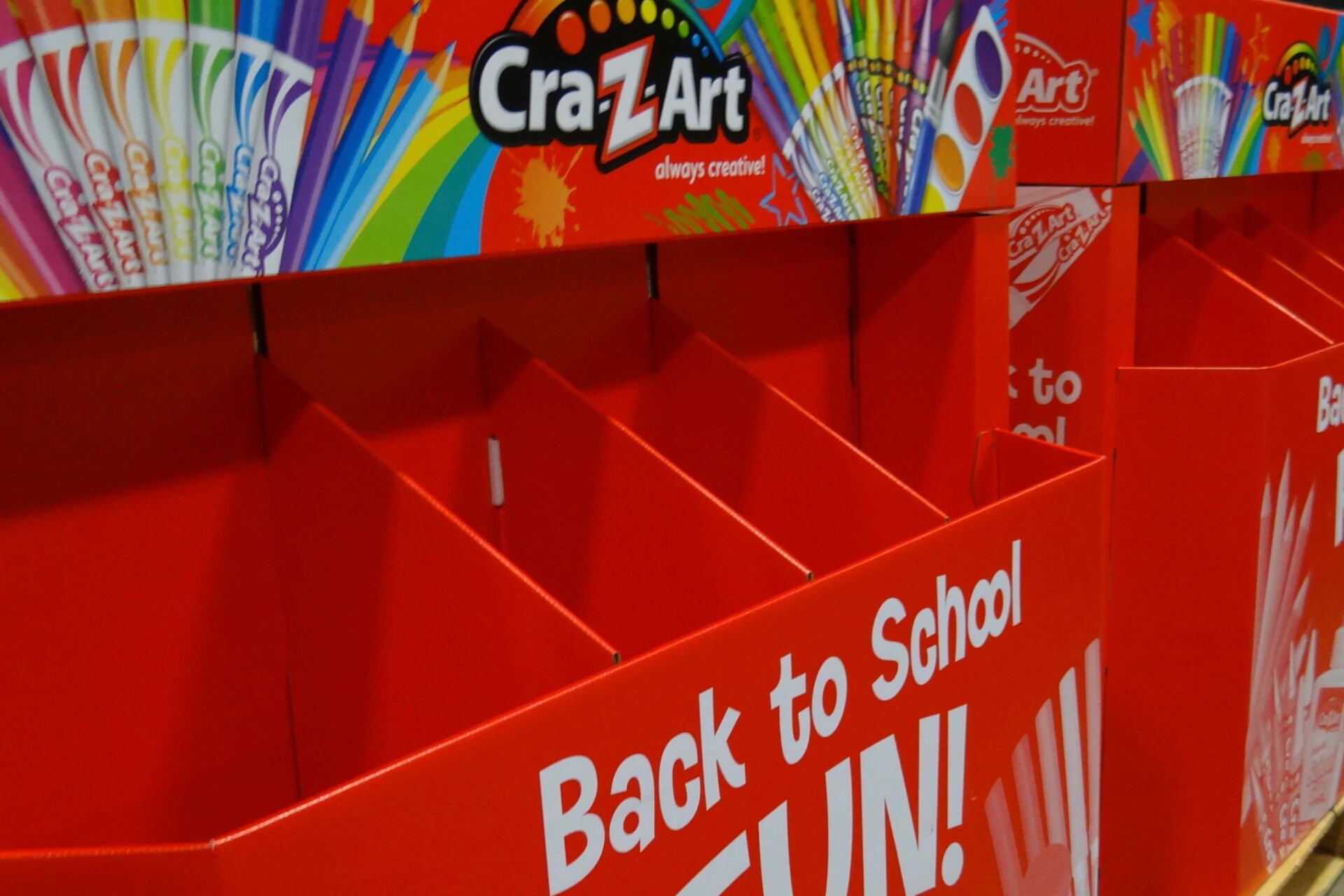
A well-designed custom display can translate campaign ideas into a practical store-level experience.
Custom point of purchase displays can be developed around:
- Campaign graphics
- Brand colors
- Product organization
- Promotional messaging
- Retailer space requirements
- Shopper accessibility
Floor displays, counter displays, end-cap displays, and corrugated displays can serve different purposes depending on the product and retail environment.
The goal is not simply to create something attractive.
Effective visual merchandising should help shoppers notice the product, understand the message, and access the merchandise easily.
That makes the display part of the broader shopper marketing strategy.
Easy Setup Supports Better Retail Execution
Retail employees also influence how the campaign appears in stores. A complicated display may be assembled incorrectly, modified, or left incomplete.
That can quickly change the intended presentation.
Pre-assembled or easy-to-assemble displays can reduce unnecessary setup steps.
Clear product organization also makes stocking and replenishment easier.
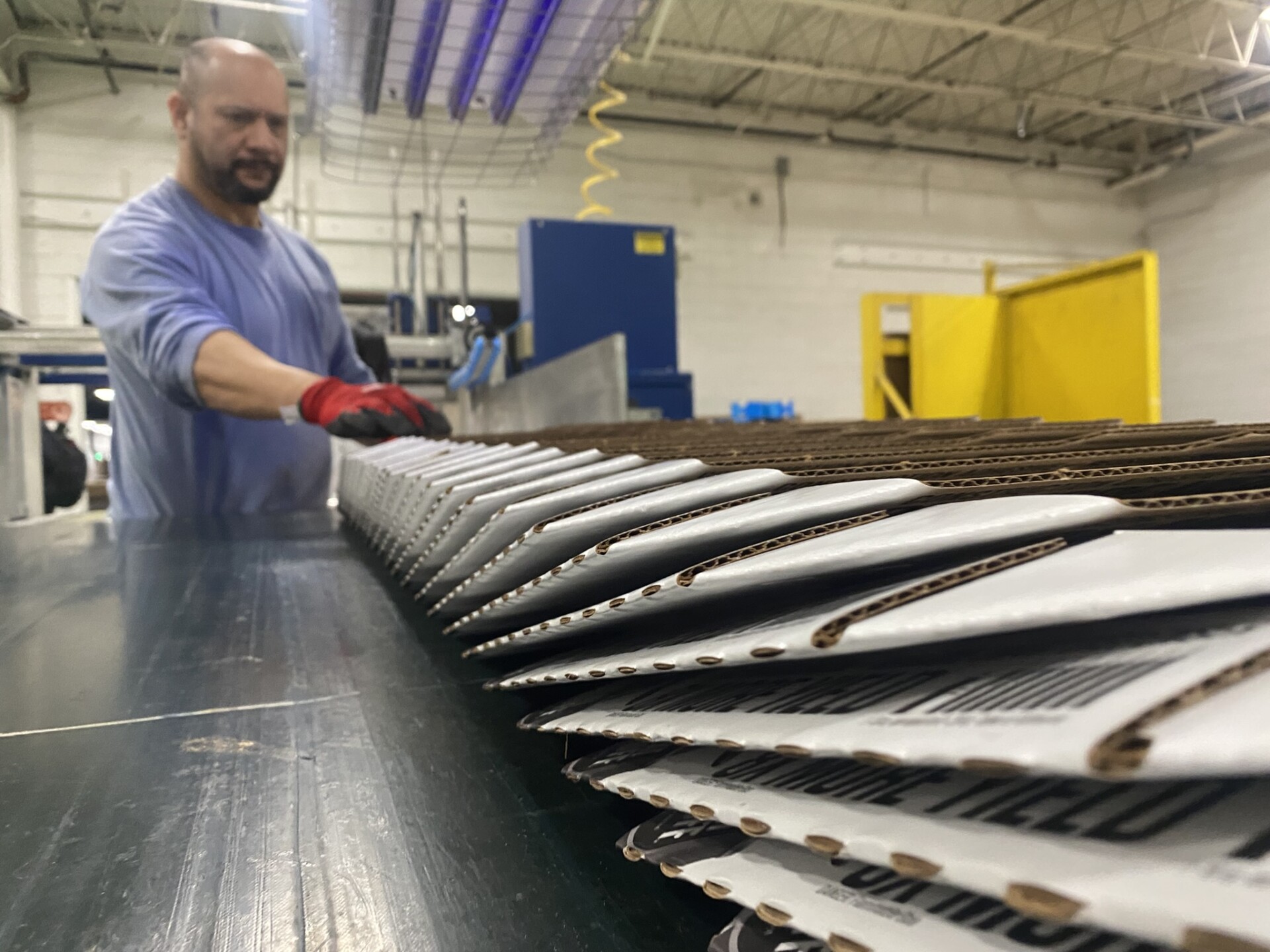
Display development should also consider shipping and handling. A structure that arrives damaged cannot deliver the presentation originally planned.
Good retail execution begins before the display reaches the sales floor.
Design and Printing Should Work Together
Strong graphics alone cannot fix a poorly designed display. A functional structure can also miss the campaign message if its graphics are unclear.
Custom structural design and digital printing should work together from the beginning.
This helps brands control:
- What shoppers notice first
- Where key messages appear
- How products are organized
- Which branding remains visible
- How the display fits the retail space
Developing packaging and displays as part of one coordinated retail program can also create a more consistent presentation.
Plan Your Display Earlier
Retail displays should not be an afterthought. Marketers, packaging teams, and buyers should consider the physical store environment while the campaign is still being developed.
Before launching your next retail program, ask:
- Where will the display be placed?
- What should shoppers notice first?
- How much retail space is available?
- How will employees assemble and stock it?
- Which campaign graphics must remain visible?
- How will the display stay consistent across locations?
- What retailer requirements must be followed?
Answering these questions early can help prevent problems later.
Bring Your Marketing Strategy to Life at Retail
Strong marketing should remain strong when the product reaches the sales floor.
By considering the campaign, product, retailer, and shopper experience together, brands can build a more consistent in-store presence with support from Sutherland Packaging.
Contact Sutherland Packaging to discuss your next custom display or retail packaging program.