“Your displays look good, but they take too long to set up.”
That feedback can point to a larger issue with your retail program.
Retailers already manage receiving, stocking, merchandising, inventory control, and customer service. When your products require extra sorting, unpacking, assembly, or handling, they add more work.
The problem may begin before the shipment reaches the store.
Packaging and fulfillment decisions can directly affect how much labor retail employees need to receive, stock, and display your products.
When Retail Labor Becomes a Packaging Problem
Labor costs are often discussed in terms of wages, staffing, scheduling, and overtime. But retail labor efficiency also depends on how much work employees must complete.
A shipment may require employees to:
- Open multiple cartons
- Sort products and display components
- Assemble retail displays
- Load products into displays
- Remove excess packaging
- Repack or reorganize merchandise
- Handle damaged products
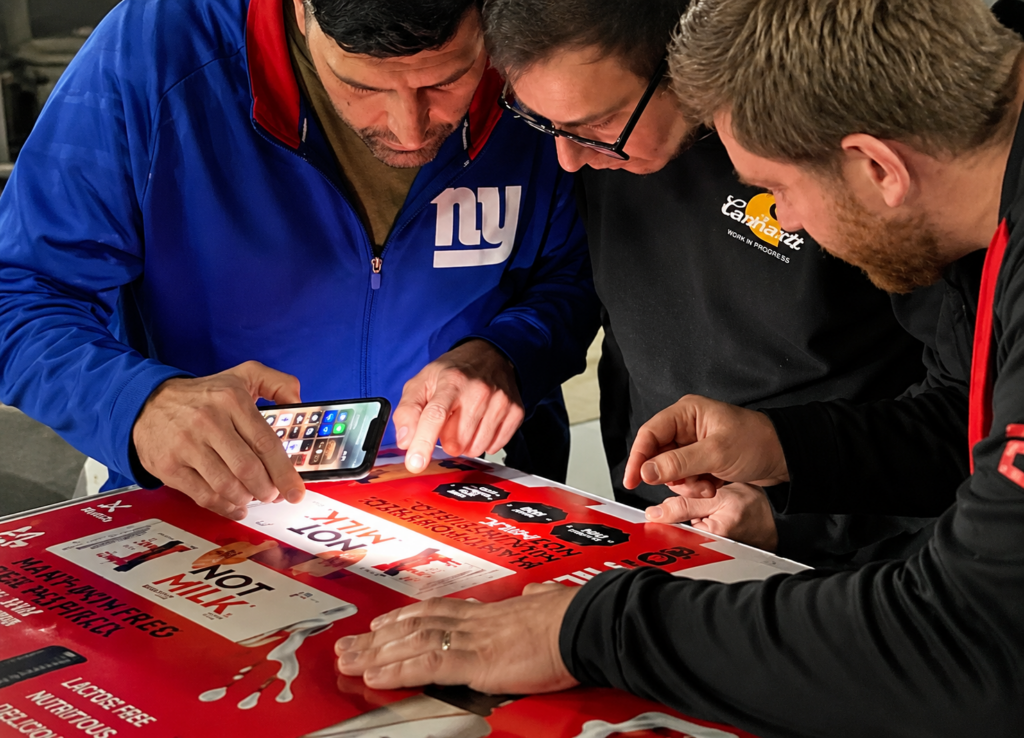
- Follow complicated setup instructions
Each additional step requires employee time. When the same process happens across many retail locations, small inefficiencies can add significant labor hours to the program.
Packaging should therefore support more than transportation. It should also support receiving, retail stocking, merchandising, and store execution.
Packaging and Fulfillment Issues That Create Extra Store Labor
Some retail programs unintentionally move work from the manufacturer or fulfillment operation to store employees.
Too Many Separate Components
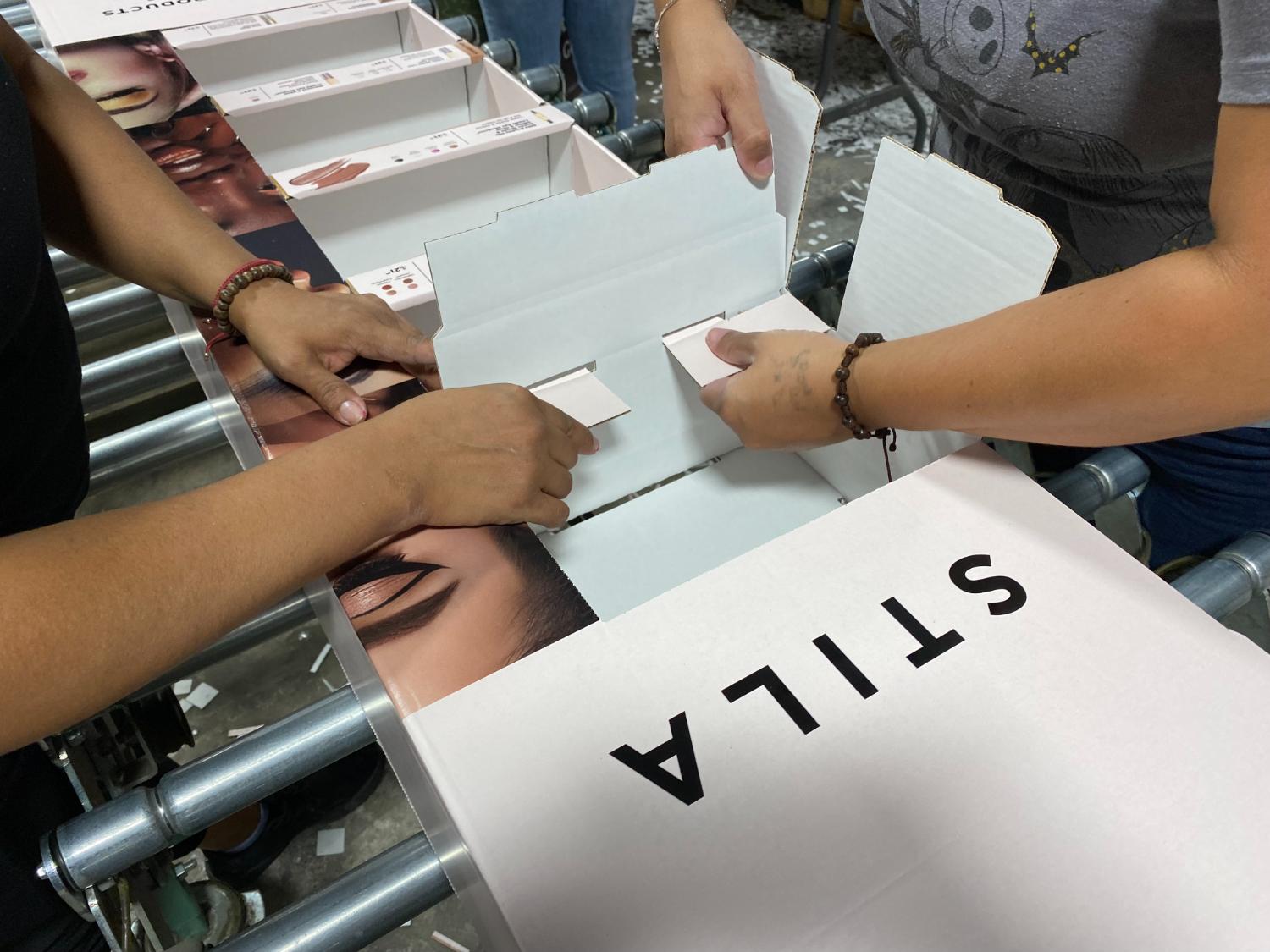
Displays, signage, products, shelves, and promotional materials may arrive in different cartons.
Employees then need to identify which pieces belong together before setup can begin.
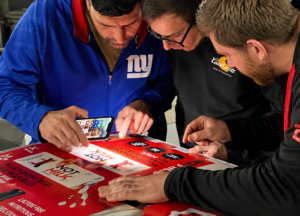
Kitting can organize related components before shipment so stores receive a more complete package.
Complicated Display Assembly
Point of purchase displays can become labor-intensive when they contain too many panels, inserts, shelves, or assembly steps.
Complex setup can also create inconsistent retail execution.
One location may build the display correctly while another skips components or delays setup.
Simpler display designs and pre-assembly can reduce the amount of work required inside the store.
Poor Shipment Organization
Products that arrive in the wrong sequence can slow setup and stocking. Employees may need to unpack several cartons before locating the items they need first.
Packing products according to the retailer’s expected workflow can make the process more efficient.
Excessive Unpacking and Sorting
Retail packaging that requires several layers of opening, sorting, or repacking creates unnecessary handling.
The packaging still needs to protect the product, but it should also make products easier to move toward the sales floor.
How Retail-Ready Packaging Can Simplify Stocking
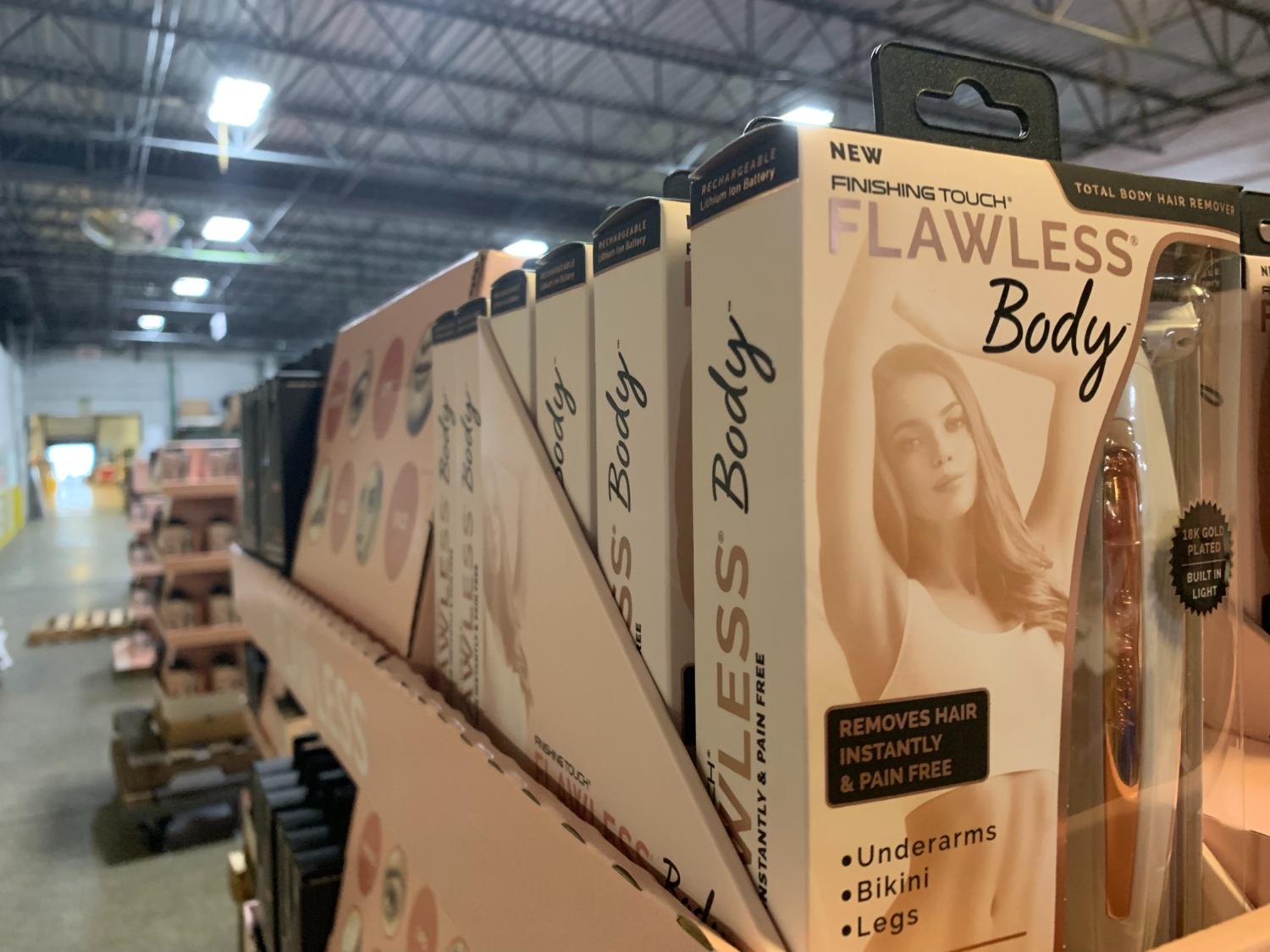
Retail-ready packaging is designed to reduce the number of steps needed between receiving and shelf placement.
Depending on the product and retailer requirements, employees may be able to open a shipping case and place the package directly into the merchandising area.
This can reduce tasks such as:
- Opening individual product cartons
- Sorting merchandise
- Handling products one at a time
- Removing unnecessary packaging
- Reorganizing inventory before stocking
Retail-ready packaging can support faster retail stocking, easier replenishment, and more consistent presentation.
Retail inventory management systems may show employees what inventory is available. Packaging affects how easily that inventory can actually be handled and stocked.
Move More Assembly and Kitting Before Shipment
Brands should ask one important question:
Does this task really need to happen inside the store?
If not, it may be better completed earlier in the fulfillment process. Kitting groups products, packaging, signage, and display components into organized sets.
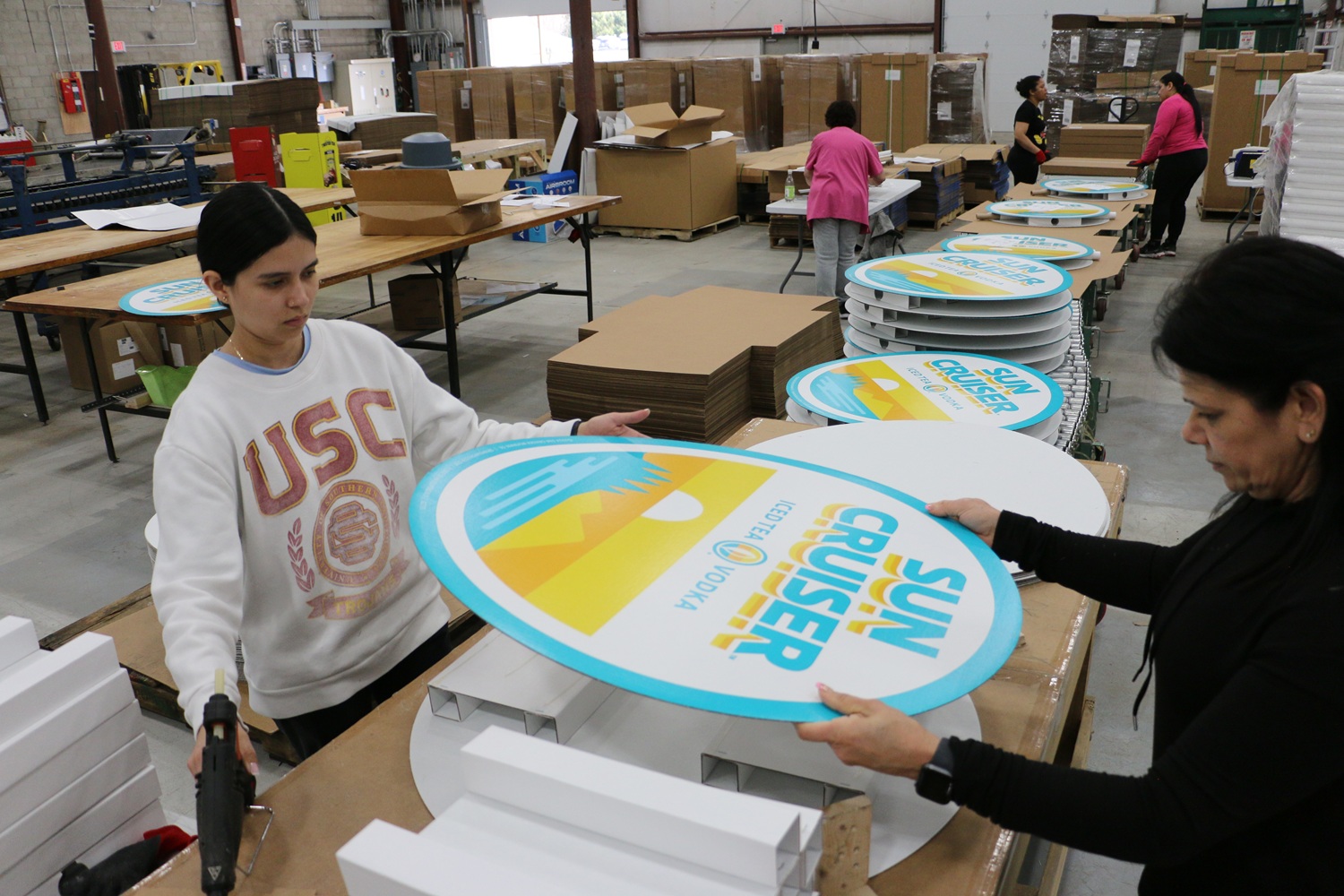
Pre-assembly can take that process further by preparing displays or promotional units before distribution. For some programs, products may also be packed into displays before shipment.
The right approach depends on retailer requirements, product characteristics, shipping conditions, and display design.
The goal is to move appropriate work into a controlled packaging and fulfillment environment instead of relying on retail employees to complete it.
How Turnkey Fulfillment Supports Retail Efficiency
Retail programs can become complicated when different suppliers handle packaging, displays, assembly, packing, and distribution.
Poor coordination between those stages can create problems at the store. Turnkey fulfillment brings more of the process together.
A coordinated program may include:
- Retail packaging
- Point of purchase displays
- Custom corrugated displays
- Digital print packaging
- Kitting
- Packaging assembly
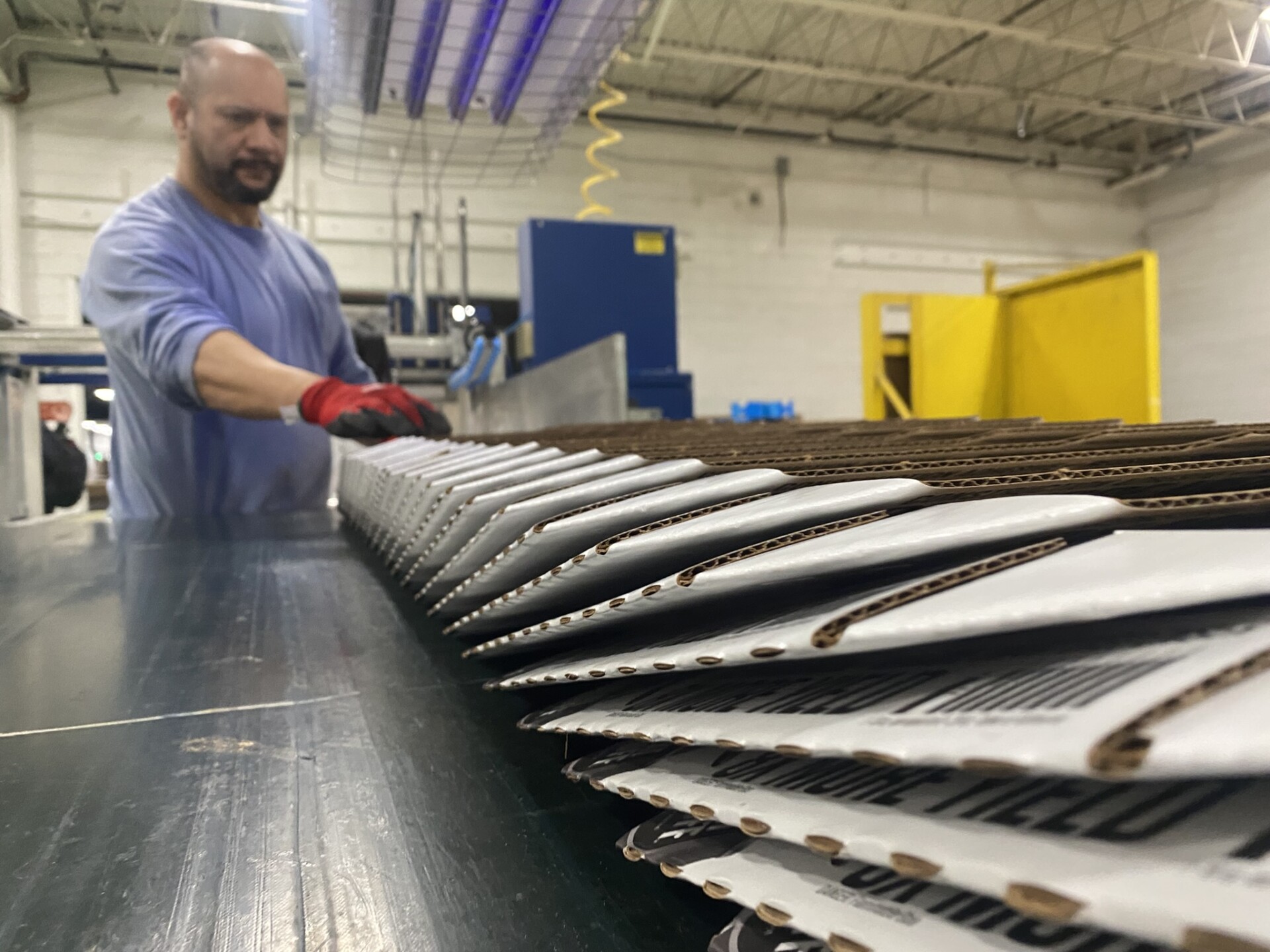
- Product packing
- Order fulfillment
- Distribution support
Packaging can be planned around fulfillment needs from the start. Displays, kits, and shipments can be organized to reduce unnecessary store-level assembly, handling, and stocking.
Review Your Retail Program Before the Next Rollout
Before approving your next packaging or display program, consider what happens after delivery.
Ask:
- Speed up stocking
- Reduce product handling
- Improve replenishment
- Protect merchandise
- Keep products organized
- Strengthen brand presentation
These questions can reveal retail labor cost issues that may otherwise appear after the program launches.
Make Your Retail Program Easier to Execute
If your retail partners spend too much time assembling, unpacking, sorting, or stocking your products, the problem may begin before shipment.
Sutherland Packaging works with professional buyers, manufacturers, marketers, and brands across beverage, food and grocery, cosmetics, healthcare, automotive, electronics, and pet care.
Our turnkey packaging and fulfillment capabilities can coordinate retail packaging, displays, kitting, assembly, packing, and distribution support around your retail program.
Contact Sutherland Packaging to discuss packaging and fulfillment options for a more efficient retail rollout.