A successful product launch may look exciting from the outside.
Inside the business, teams may be managing packaging revisions, retailer requirements, display production, shipping issues, and tight approval deadlines.
When too many moving parts are handled separately, the launch becomes harder to manage.
A stronger product launch strategy can reduce unnecessary handoffs, revisions, and last-minute decisions while creating a more manageable process for the teams involved.
Why Product Launches Put So Much Pressure on Internal Teams
Retail launches depend on marketing, packaging, procurement, operations, sales, and fulfillment working together.
When those teams are not aligned, even a small packaging, display, or retailer change can create delays across the launch.
That often leads to:
- Additional meetings
- New approval requests
- Repeated vendor follow-ups
- Artwork and specification revisions
- Shipping or production changes
- Retailer questions
- Emergency decisions
The result is more work for internal teams, even when the product itself has not changed.
That is why product launch planning should focus on coordination as much as promotion.
Common Causes of Product Launch Burnout
Launch pressure often comes from several small process problems happening at the same time.
Too Many Vendors and Handoffs
One supplier may handle packaging. Another produces displays. Others may handle printing, assembly, fulfillment, or shipping.
Each vendor can introduce different contacts, timelines, specifications, and approval steps.
Your internal team then becomes responsible for keeping everyone aligned.
More handoffs can mean more emails, meetings, follow-ups, and opportunities for information to get lost.
Packaging and Displays Are Planned Too Late
Packaging and displays are sometimes treated as final production tasks.
That creates problems because they affect more than appearance.
Product dimensions can influence display design. Display dimensions can affect shipping. Retailer requirements may influence both.
Planning retail packaging and displays earlier gives teams more time to address these dependencies before deadlines tighten.
Revisions and Approvals Keep Stacking Up
Design revisions are normal.
The problem comes when changes continue late into the product launch process.
A new dimension, graphic, material, quantity, or retailer requirement can trigger another round of:
- Proofs
- Quotes
- Artwork changes
- Approvals
- Production updates
If the schedule is already compressed, decision-makers may have little time to review those changes.
That increases workload and makes mistakes more likely.
Retailer Requirements Arrive Too Late
Retailers may have specific requirements for packaging, displays, labeling, dimensions, shipping, and store setup.
If those requirements appear late, completed work may need to change.
A revised display size can affect structure, printing, shipping, and assembly.
A packaging change can affect product fit and display capacity.
Identifying retailer requirements early gives each team more time to plan around them.
Fulfillment and Shipping Are Treated as Final Steps
Production is not the end of a retail launch.
Packaging and displays still need to be assembled, packed, shipped, received, and prepared for store use.
If fulfillment is planned late, teams may discover problems with pallet configuration, shipping quantities, store destinations, or setup instructions near the launch date.
These problems often become urgent because there is little time left to adjust.
A Product Launch Strategy Should Cover More Than Marketing
Marketing and promotion are only part of a retail launch.
A retail-focused product launch strategy should consider the full path from production to store presentation.
That includes:
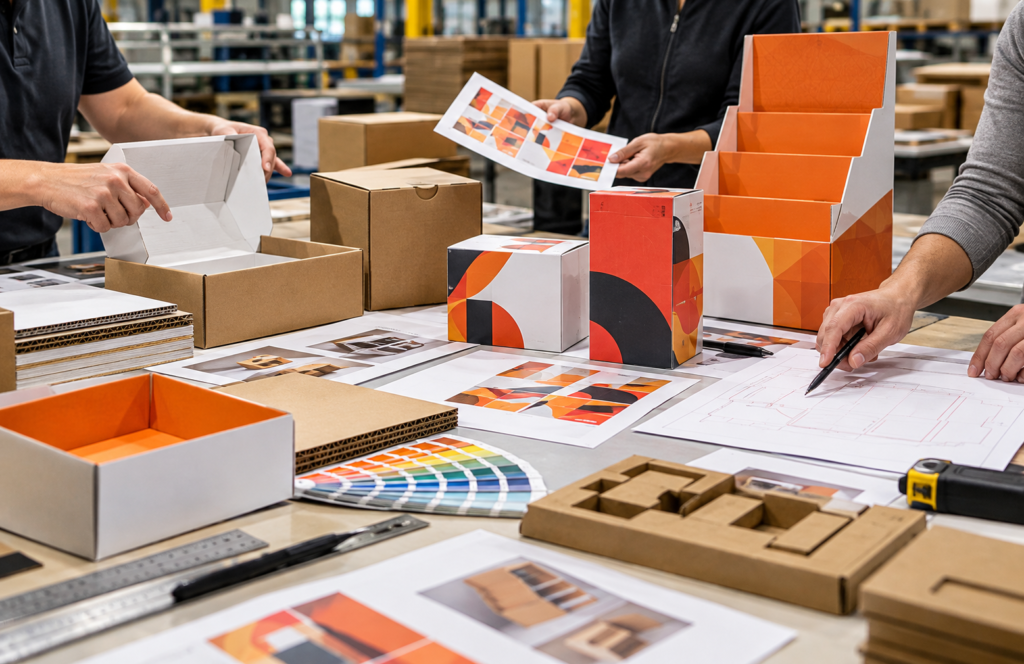
- Product packaging
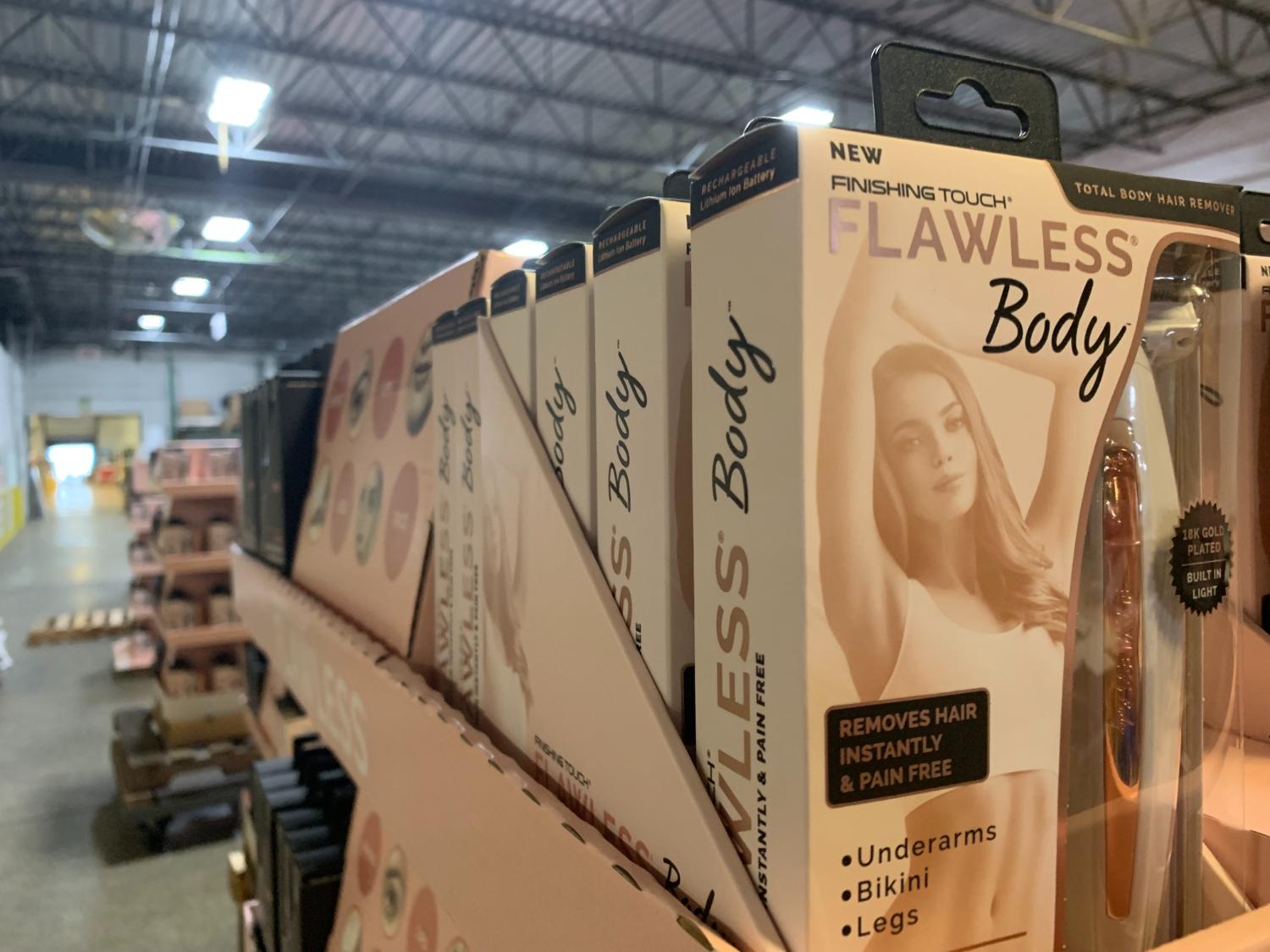
- Point of purchase displays
- Retailer specifications
- Production schedules
- Digital printing
- Assembly
- Fulfillment
- Shipping
- Store setup
- Final retail presentation
These activities influence one another.
A change in one area can quickly create more work somewhere else.
Coordinating them earlier can reduce unnecessary revisions and emergency decisions.
Create One Coordinated Launch Timeline
Different departments and suppliers may work from separate schedules.
A coordinated timeline helps everyone see how the major stages connect:
Product specifications → packaging → displays → approvals → production → fulfillment → shipping → store setup
This makes dependencies easier to identify before one delay affects the rest of the launch.
Why POP Displays Should Be Planned Earlier
Point of purchase displays can support product visibility and retail presentation.
They can also become a major source of launch pressure when treated as a last-minute marketing item.
Display decisions affect packaging, shipping, assembly, retailer requirements, and store-level execution.
The later those decisions happen, the more likely internal teams will need to revisit completed work.
Product Fit and Display Capacity
A display must fit the products it is designed to hold.
Accurate packaging dimensions, product weight, orientation, and unit counts all influence the structure.
Waiting for final specifications can delay display design and compress approval timelines.
Retail Footprint and Retailer Guidelines
Retailers may set requirements for display dimensions, placement, materials, or setup.
Those requirements should influence the design from the start.
Otherwise, marketing, packaging, and production teams may need to revise work that was already approved.
Durability and Branding
Retail displays need to support the product while presenting the brand effectively.
Structural and graphic decisions should be considered together.
Planning them separately can create additional proofs, discussions, and approvals later.
Shipping, Assembly, and Replenishment
A display also needs to work beyond the design stage.
Teams should consider:
- Whether it ships flat or assembled
- How much store-level assembly is required
- How products will be loaded
- How products will be replenished
- How the display fits into distribution
These decisions affect freight, labor, fulfillment, and retail execution.
Addressing them earlier prevents those questions from becoming last-minute launch problems.
How to Reduce Product Launch Pressure
A better process will not prevent every unexpected issue.
It can, however, reduce avoidable work.
Set Clear Ownership and One Timeline
Assign responsibility for packaging, artwork, displays, retailer requirements, production, fulfillment, and shipping.
Then connect those responsibilities to one launch schedule.
Clear ownership reduces duplicated work and unanswered questions.
Bring Packaging and Display Partners In Earlier
Partners need enough time to identify structural, printing, production, or shipping concerns.
Earlier involvement gives teams more options to address those issues before production begins.
It can also reduce emergency approvals later.
Finalize Specifications Before Production
Confirm major dimensions, materials, artwork, quantities, and retailer requirements before full production whenever possible.
Late changes become harder to manage once materials and production schedules are committed.
A realistic approval window also gives stakeholders time to review decisions properly.
Test Before Full Production
Testing packaging and displays can uncover problems with:
- Product fit
- Structure
- Graphics
- Assembly
- Shipping
- Store setup
Finding these issues early is easier than correcting them after full production begins.
Plan Fulfillment and Communication Early
Decide how products and displays will be packed, shipped, received, and set up before launch deadlines approach.
Teams should also maintain one reliable source for current specifications, approvals, schedules, and responsibilities.
Centralized information reduces confusion around outdated files and conflicting instructions.
Signs Your Launch Process May Be Too Complicated
Burnout may first appear as an operational problem.
Watch for signs such as:
- Repeated status meetings
- Conflicting vendor instructions
- Approvals becoming emergencies
- Specifications changing after production begins
- Employees constantly chasing updates
- Shipping decisions happening near launch
- Every launch depending on overtime
These patterns may point to a coordination problem rather than a staffing problem.
More meetings will not necessarily fix it. A simpler, better-connected process may.
Better Retail Execution Starts Before Products Reach the Store
Retail execution reflects decisions made much earlier.
Packaging affects handling. Displays affect presentation. Shipping affects delivery. Assembly affects store labor.
Treating these as connected parts of the product launch strategy helps teams identify problems before they reach the store.
The goal is not to remove every complication.
It is to prevent avoidable complexity from becoming extra work for internal teams.
Coordinate Retail Launch Needs With Sutherland Packaging
Sutherland Packaging supports brands and professional buyers managing connected packaging needs for retail programs.
Our capabilities include Point of Purchase Displays, Digital Print Packaging, Retail Packaging, and Turnkey Packaging and Fulfillment.
Coordinating related packaging, printing, displays, assembly, and fulfillment can reduce unnecessary vendor handoffs during a retail product launch.
It can also provide a clearer workflow for specifications, approvals, production, and final retail presentation.
The goal is practical packaging support that fits within the larger product launch strategy.
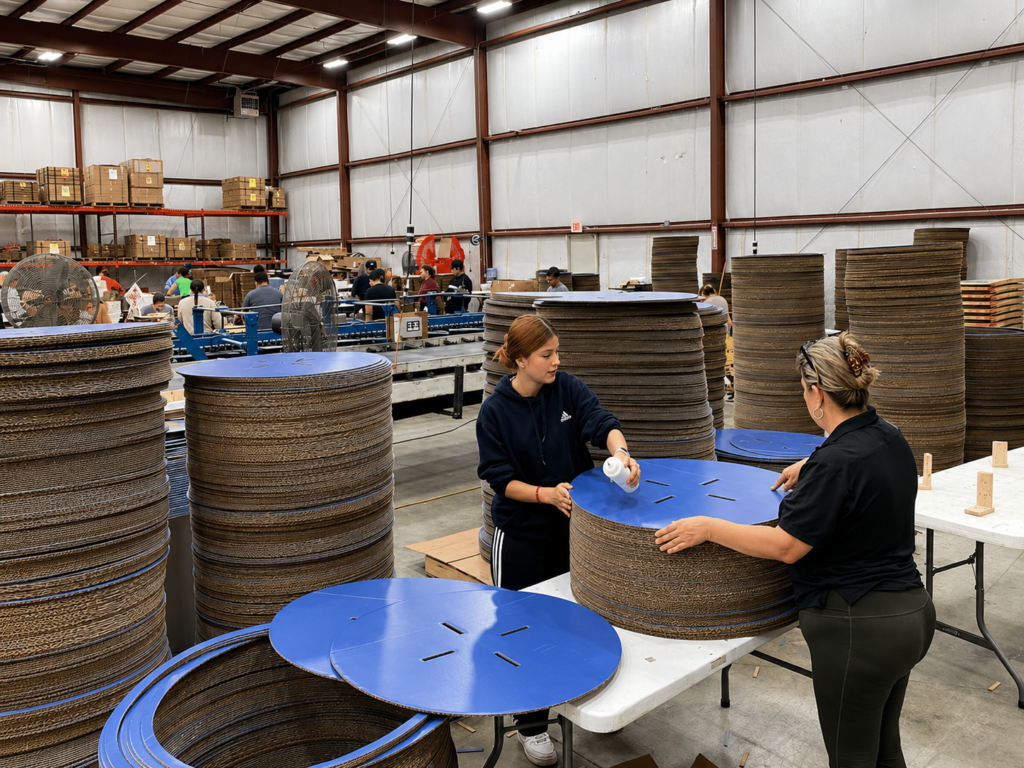
A dimensional change might require revisions to displays, inserts, printing, or packing configurations.
Identifying those conflicts early is usually easier than correcting them after production advances.
Build a More Manageable Product Launch Process
A stronger product launch strategy does more than help products reach the market.
It can also reduce unnecessary complexity for the teams responsible for getting them there.
Planning packaging, displays, production, fulfillment, and retail execution earlier can mean fewer last-minute problems when launch day approaches.
Planning a retail product launch? Contact Sutherland Packaging to discuss your packaging and display requirements.