
Many retail brands assume that purchase decisions are made long before a shopper enters a store. In reality, a significant portion of buying decisions happen at the shelf, often within seconds. Shoppers may arrive with a general need or category in mind, but the final choice is frequently influenced by what they see, understand, and trust in that moment.
This is where last-minute shopper decisions come into play. Understanding retail psychology, impulse buying, and shopper decision-making helps brands identify why these opportunities are often missed and how the point of sale can be used more effectively to influence behavior.
How Shopper Decision-Making Works in Retail Environments
Shopper decision-making in retail settings is heavily influenced by context. While some shoppers research products ahead of time, many enter stores without a firm brand preference. Once inside, they are faced with crowded shelves, limited time, and an overwhelming number of choices.
At the shelf, shoppers rely on mental shortcuts to make decisions quickly. They look for clear benefits, familiar signals, and products that feel easy to choose. When attention is limited, packaging, shelf placement, and display design become primary decision drivers.
In many retail scenarios, the decision process follows a compressed path:
- A need is triggered, such as convenience, replenishment, or impulse.
- The shopper scans available options with limited attention.
- Visual clarity, perceived value, and trust signals guide the final purchase.
When brands fail to account for this shortened decision process, they risk being overlooked, even if the product itself is strong.
Why Impulse Buying Happens at the Point of Sale
Impulse buying is often misunderstood as irrational behavior. In reality, it is a predictable response to time pressure, emotional triggers, and environmental cues. Shoppers make impulse purchases when the effort required to decide feels low and the perceived reward feels high.
Retail psychology shows that impulse buying is more likely when the product’s value is immediately clear and easy to understand. Packaging that communicates benefits quickly, pricing that feels reasonable, and displays that stand out visually all contribute to faster decisions.
Shoppers are more likely to buy impulsively when:
- They are short on time or mentally distracted
- The product solves an immediate problem
- The packaging reduces confusion and builds confidence
When messaging is unclear or cluttered, shoppers hesitate. That hesitation often results in a lost sale.
Why Brands Miss Last-Minute Shopper Opportunities
Many brands design packaging with the assumption that shoppers already understand the product. This approach overlooks the reality of how people behave in stores. When shoppers are rushed or overwhelmed, they do not read extensively or analyze features in depth.
Brands commonly miss last-minute opportunities because their packaging and displays fail to support fast decisions. Common issues include messaging that focuses on features instead of outcomes, visual clutter that makes information hard to scan, and shelf presence that blends in rather than stands out.
Retail psychology shows that shoppers actively filter information at the shelf. Anything that requires extra effort is ignored. Even strong brands can lose to simpler, clearer competitors if the shelf experience does not support quick decision-making.
How to Influence Buyer Behavior at the Point of Sale
Influencing buyer behavior at the point of sale requires intentional design. The goal is not to explain everything about the product, but to guide the shopper toward a confident decision as quickly as possible.
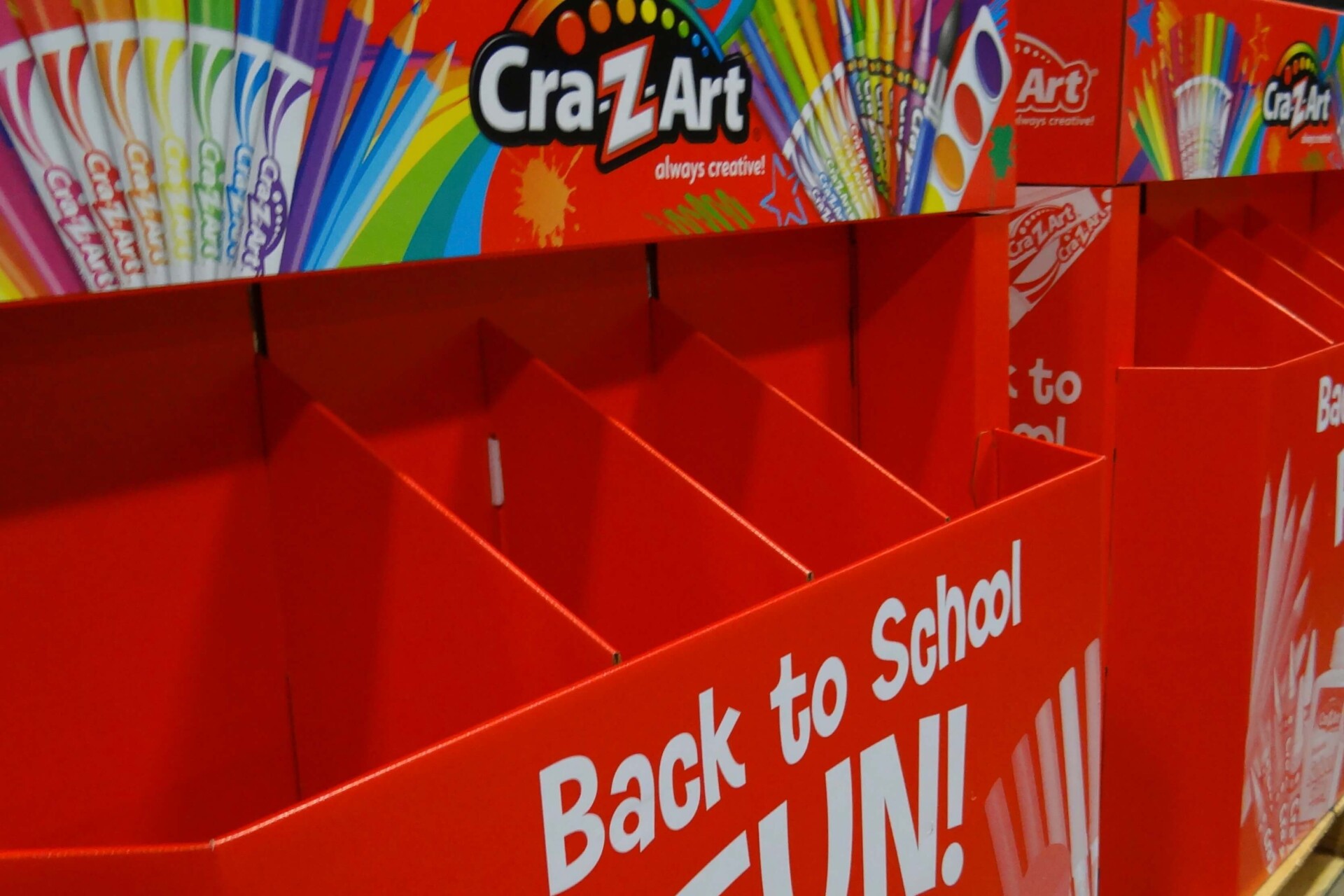
Effective point-of-sale strategies typically include clear benefit-driven messaging, visual hierarchy that directs attention naturally, and packaging that reinforces quality and trust. Displays should create separation from competing products and make the brand easier to notice in crowded environments.
When shopper decision-making feels simple and intuitive, impulse buying becomes more likely. Reducing friction at the shelf helps shoppers feel confident choosing your product without second-guessing.
The Role of Retail Psychology in Packaging Design
Packaging plays a critical role in retail psychology because it acts as a silent salesperson. It communicates value, quality, and relevance when no sales associate is present to assist.
Strong retail packaging helps reduce choice fatigue by simplifying information and guiding attention. It builds confidence by signaling credibility and consistency, and it supports faster decisions by making benefits easy to identify.
When packaging is designed with shopper psychology in mind, it becomes a decision shortcut rather than a barrier. This is often the difference between a product being noticed or ignored.
How Sutherland Packaging Helps Brands Capture Last-Minute Decisions
Sutherland Packaging helps brands perform better at the exact moment when purchase decisions are made. Their approach focuses on designing packaging and displays that support impulse buying and shopper decision-making in real retail environments.
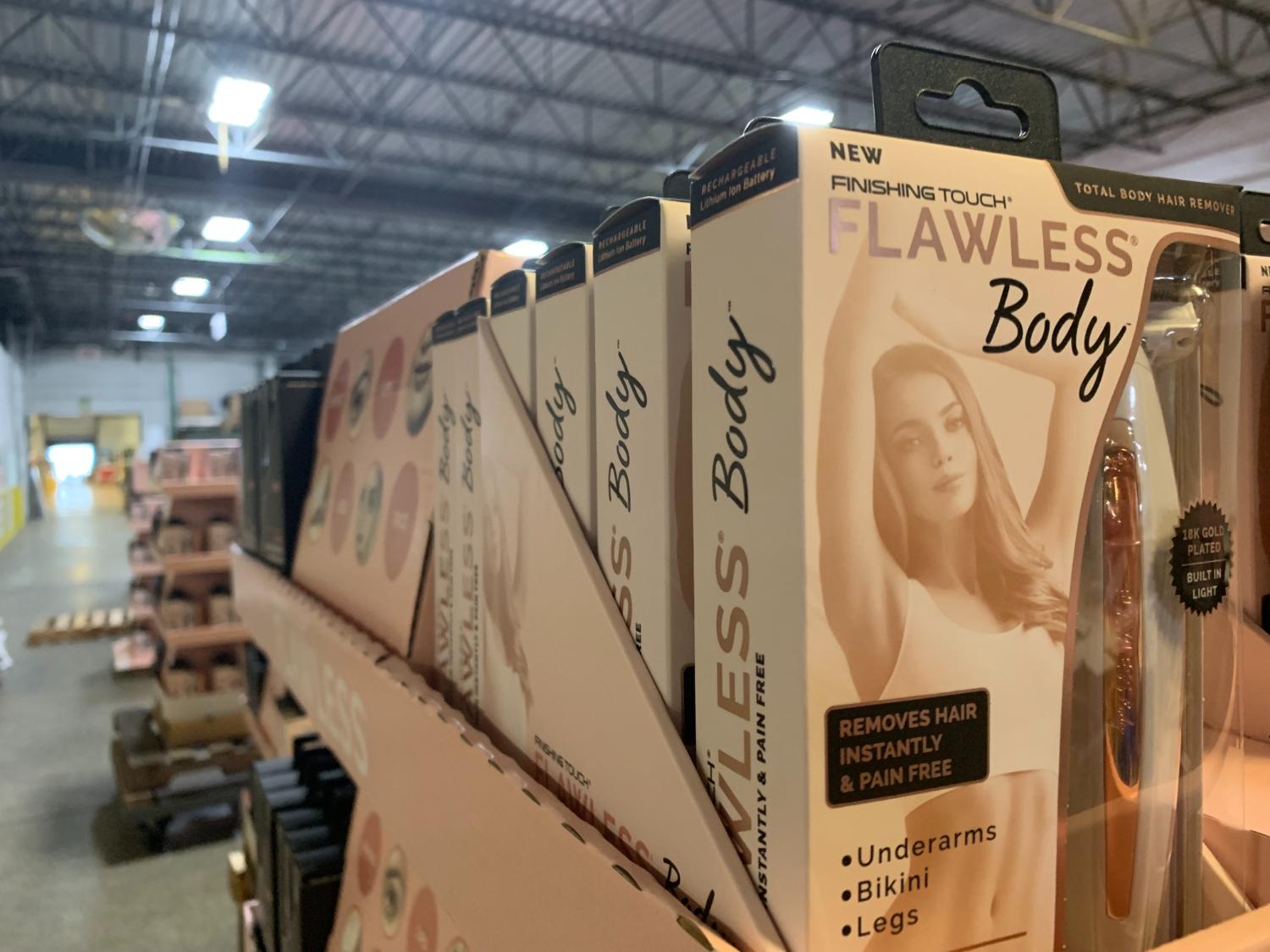
Our solutions include point-of-purchase displays that increase visibility, retail packaging designed for clarity and speed, and shelf-ready packaging that simplifies product presentation. Every solution is built with retail psychology in mind, helping brands stand out and communicate value quickly.
For brands that rely on in-store sales, packaging is not just a container. It is a strategic tool that directly impacts performance at the shelf.
Turn Last-Minute Decisions Into Sales
If shoppers are making decisions at the shelf, your packaging must support those moments. Sutherland Packaging helps brands influence buyer behavior at the point of sale with packaging and display solutions designed to perform in crowded retail environments.
Our expertise helps you improve shopper decision-making, increase impulse buying, and strengthen your shelf presence where it matters most.
Contact us to discuss how Sutherland Packaging can help your brand capture more last-minute shopper decisions.